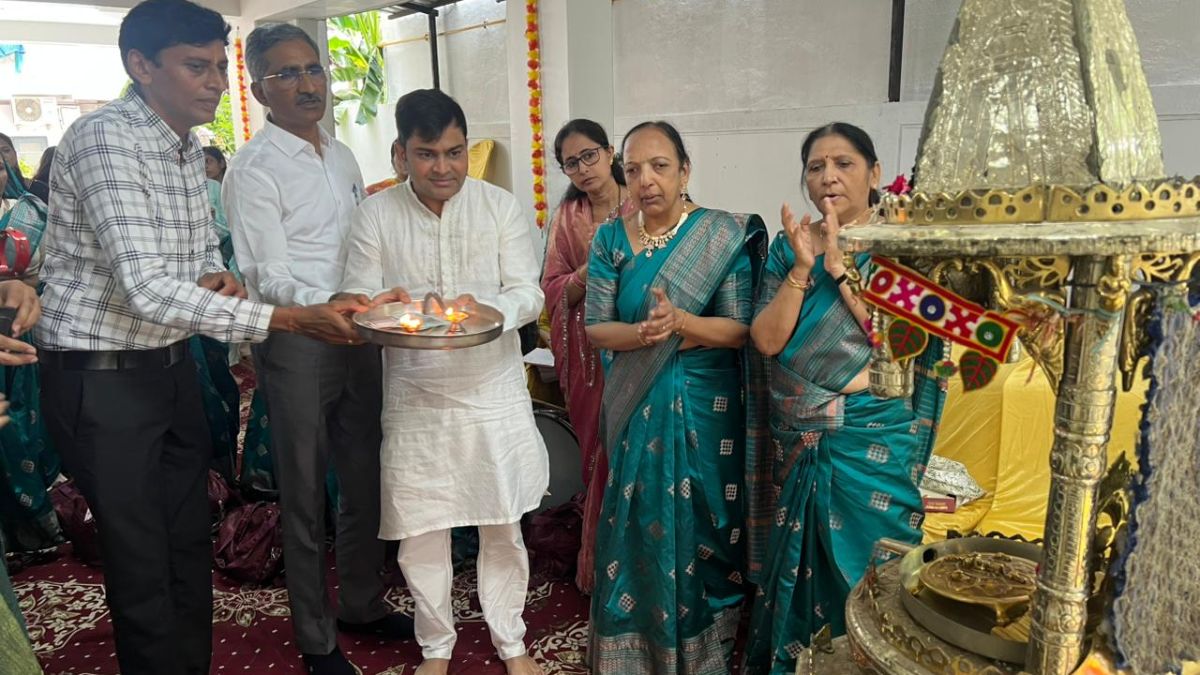

Experts discuss digital tax systems, policy reforms and economic impact of GST 2.0
Surat: Centre for Social Studies (CSS), Surat organised two important academic programmes on the theme of GST reforms. A hybrid workshop titled “GST 2.0 Samvaad – Reforms for a New Generation” was held on 26 February 2026, followed by a seminar titled “GST 2.0: Shaping a New Generation of Tax Reforms” on 6 March 2026. The events brought together experts from taxation, economics, law and industry to discuss the future direction of GST and its impact on the Indian economy.
The programmes were conducted under the guidance of CSS Director Dr. Dolly Sunny. While introducing the theme, she explained that since its introduction in 2017, GST has transformed India’s indirect tax system by replacing multiple central and state taxes with a unified structure aimed at creating a common national market and simplifying compliance. (Centre for Social Studies)
She added that the next phase, widely referred to as GST 2.0, focuses on improving efficiency, simplifying rate structures and strengthening digital compliance systems.
Kamlesh Yagnik, Chairman of CSS, spoke about the idea of a “Two-Slab Revolution” in the GST rate structure. He emphasised that any tax reform should ultimately benefit citizens and improve transparency in the system. He also highlighted the growing role of digital tools that help consumers verify whether the correct GST has been charged.
The keynote address was delivered by Harsh Parashar (IRS), Deputy Commissioner of GST. He explained how the government is moving towards a digital-first tax administration using technologies such as geo-tagging, biometric authentication and the Search Taxpayer facility. He also spoke about the Invoice Management System (IMS), which allows invoices to be accepted or rejected in real time and helps prevent Input Tax Credit (ITC) leakages.
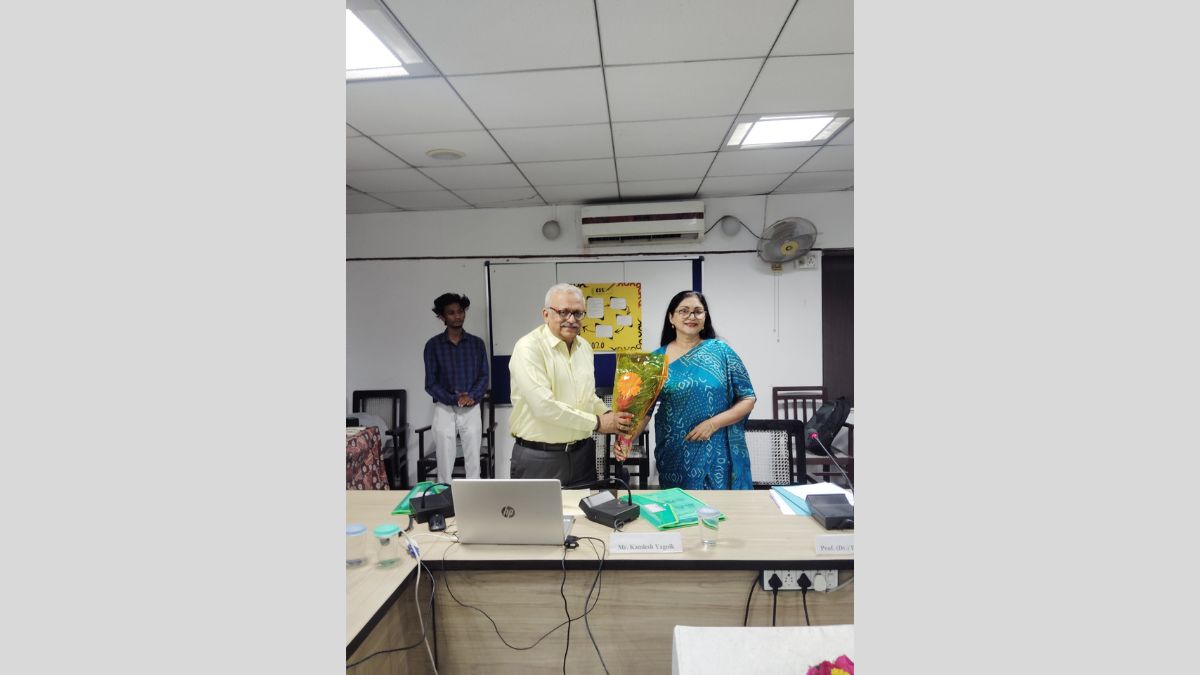
During the workshop, Aman Tulsan, CA and partner with KPMG UAE, discussed how GST 2.0 has strengthened India’s global trade competitiveness. He highlighted recent policy changes including the removal of Section 13(8)(b) in the Union Budget 2026, which has changed the Place of Supply rules and provided relief to Indian consultants and service exporters working with global clients.
He also explained the Section 54 refund mechanism, under which exporters can receive up to 90 percent provisional refunds within seven days, improving liquidity for businesses.
Swapnil Wagh, Founder of Debit Credit Accounting KPO, noted that GST today is no longer only a compliance activity handled by back-office teams. According to him, GST planning has become an important part of business strategy. He also discussed AI-based reconciliation systems and real-time invoice validation tools that can identify possible errors and compliance risks early.
Speaking on the social dimension of taxation, Amish Sangoi, Chartered Accountant, discussed proposals to reduce the tax burden on essential services. He mentioned discussions around bringing health and life insurance premiums under the 0 percent slab instead of the existing 18 percent GST, which could benefit ordinary citizens. He also referred to the establishment of 31 state benches of the GST Appellate Tribunal, which are expected to improve dispute resolution within the GST framework.
The 6 March seminar also featured leading academicians from across India.
Dr. Swati Raju from Mumbai School of Economics and Public Policy spoke about the legislative framework of GST 2.0 and how new rules may affect cross-border services and international trade.
Dr. Benni Basavraj from Bangalore University emphasised that a stable and transparent tax system is essential for economic growth. According to him, reforms in GST can play an important role in India’s long-term economic vision and strengthen fiscal governance.
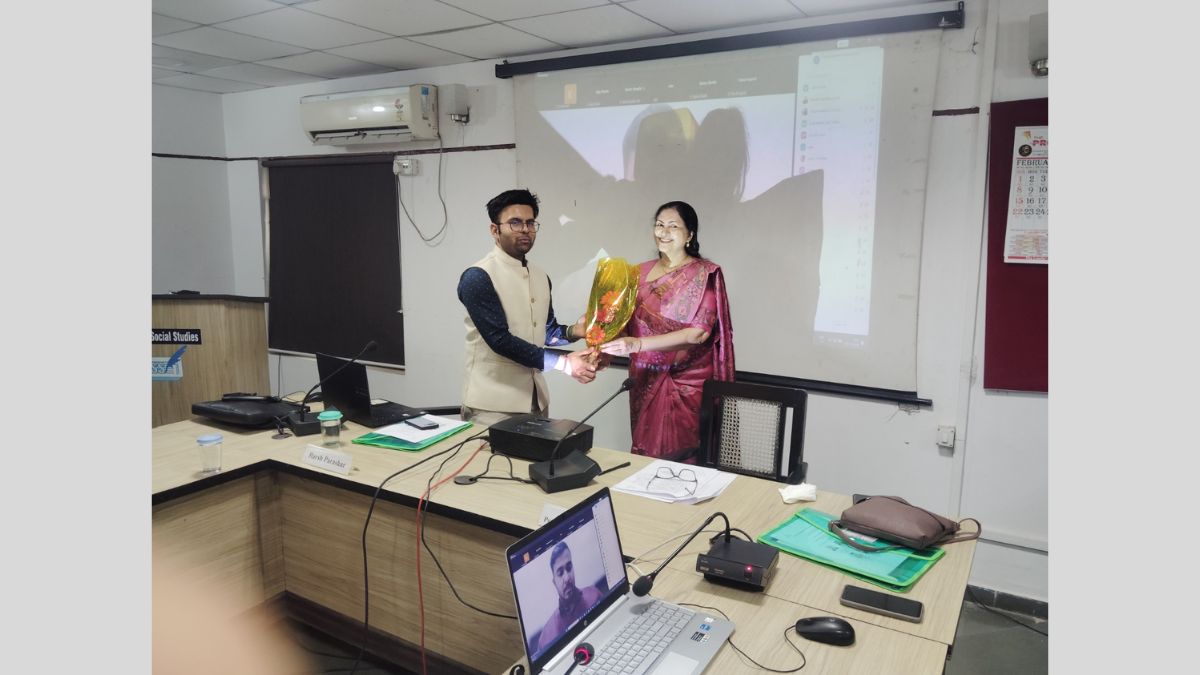
Dr. Ruby Ojha of SNDT Women’s University examined the social and cultural impact of GST, noting that tax reforms affect different sections of society in varied ways. She highlighted the importance of digital literacy and inclusive access to digital platforms as GST systems become more technology-driven.
Providing a macroeconomic perspective, Dr. Sacchidananda Mukherjee from the National Institute of Public Finance and Policy explained that the focus of GST 2.0 reforms is not necessarily on increasing tax rates but on improving compliance and expanding the tax base, which can help increase revenue while maintaining economic efficiency.
The concluding session was addressed by Mukund Kumar (IRS), Assistant Commissioner of CGST, who shared field-level insights from GST implementation. He stated that the success of digital tax systems depends on better communication between taxpayers and the tax administration, as well as improved digital awareness among businesses.
In her closing remarks, Dr. Dolly Sunny said that the ideas and suggestions presented during the workshop and seminar will be compiled into policy recommendations and shared with relevant authorities, including the Ministry of Finance and regulatory bodies. She added that such academic discussions also help students and researchers better understand modern tax reforms and their wider economic impact.