Mumbai (Maharashtra) [India], October 20: In television, a contract extension is usually a reason to celebrate. When the person signing it makes a living mocking politicians, billionaires, and powerful institutions, however, the paperwork can become a story of its own.
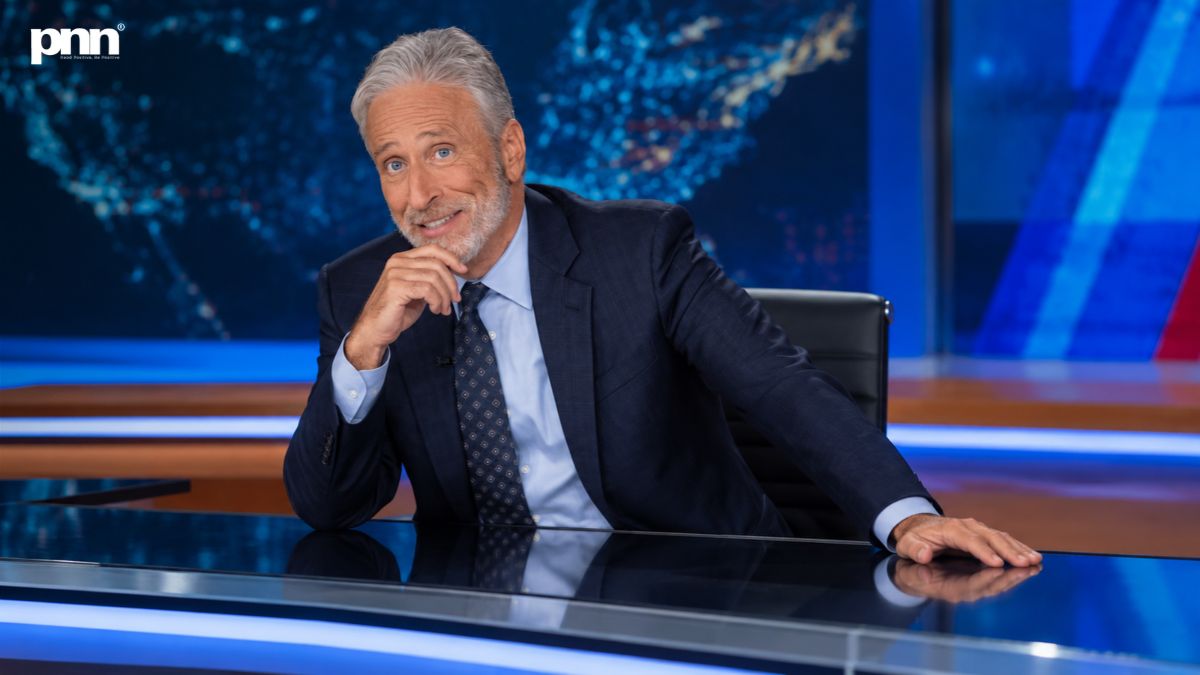
Jon Stewart will continue hosting The Daily Show every Monday through December 2028, while remaining an executive producer. The announcement, made by Skydance Television on October 19, extends his tenure through the next U.S. presidential election and its aftermath. The programme’s news team will continue sharing hosting duties from Tuesday through Thursday.
The renewal is a vote of confidence in a proven television franchise. It also arrives at a delicate moment for its corporate owner, as questions about editorial independence have intensified following changes in Paramount’s ownership and the cancellation of Stephen Colbert’s late-night programme.
The real story, then, is not simply that Stewart is staying. It is whether political satire can retain its bite when the people who fund the show also operate within the world it scrutinises.
A Familiar Face With A Valuable Audience
Stewart first hosted The Daily Show from 1999 to 2015, helping turn a comedy programme into a significant force in American political commentary. After Trevor Noah departed in 2022 and the show experimented with guest hosts, Stewart returned in February 2024 to anchor Mondays, leaving the rest of the week to the programme’s rotating hosting team.
The format has proved commercially useful. The show reportedly recorded its strongest third-quarter audience in eight years in 2026 and accumulated 1.9 billion social-media views during the year. It also won two Emmy Awards in 2025.
For Comedy Central, those numbers give Stewart’s renewal a straightforward business rationale. His name attracts attention, his commentary travels beyond traditional television and the show’s correspondents provide continuity across the week.
In a fragmented entertainment market, a programme that can turn political news into widely shared clips has considerable value. Outrage, after all, has become one of the internet’s most reliable renewable resources.
Why The Corporate Backdrop Matters
The extension comes after Paramount’s combination with Skydance, completed in August 2025, and the subsequent acquisition of Warner Bros. Discovery, completed on October 6, 2026. The resulting entertainment group brings together a formidable portfolio of studios, television networks and streaming assets.
That scale creates opportunities for investment, distribution and audience growth. It also places renewed attention on how the company handles programmes that criticise powerful political and commercial figures.
The most obvious comparison is The Late Show with Stephen Colbert. CBS announced in July 2025 that the programme would end after the 2025–26 broadcast season, describing the decision as financial. The cancellation prompted public debate because it followed Colbert’s criticism of Paramount’s settlement with Donald Trump. The timing fuelled speculation about political pressure, although timing alone does not establish that the cancellation was politically motivated.
That distinction matters. Financial decisions can be legitimate, and corporate ownership does not automatically mean editorial interference. But when a network cancels one outspoken host and renews another, audiences are naturally going to ask what determines the difference.
The Commercial Case For Keeping Stewart
From the company’s perspective, retaining Stewart offers several advantages. He brings a recognisable brand, an established audience and a programme capable of generating conversation well beyond its original broadcast.
His continued role as executive producer also gives him a position in the show’s creative leadership, rather than limiting him to presenting the finished product. The existing team—including Ronny Chieng, Josh Johnson, Jordan Klepper, Michael Kosta and Desi Lydic—will continue sharing hosting duties during the rest of the week.
The benefits are tangible:
- Audience continuity: A familiar host helps retain viewers amid a turbulent late-night market.
- Digital reach: Political satire can travel across social platforms, extending the programme’s visibility.
- Creative stability: A longer contract gives the team more certainty as it approaches the 2028 election cycle.
Still, a renewal is not proof that editorial freedom is guaranteed. The terms of Stewart’s contract have not been publicly disclosed in full, and there is no public evidence that the extension includes a specific new independence clause.
Satire Needs More Than A Contract
The danger for political comedy is not necessarily an explicit instruction to avoid a particular subject. It can be subtler: executives may become cautious, controversial stories may receive less attention, or creative teams may begin anticipating what management would prefer not to see.
There is no verified evidence that these practices have been imposed on The Daily Show. But the possibility explains why corporate ownership matters so much for programmes whose value depends on challenging authority.
Stewart’s renewal is encouraging for viewers who want sharp political commentary to remain on mainstream television. It suggests that the company sees continuing value in a programme that questions public figures rather than simply celebrating them.
Yet the real test will come in the episodes themselves: which subjects the show tackles, how freely it tackles them and whether its criticism remains consistent when the target is politically inconvenient.
The Real Deadline Is 2028
Stewart’s contract now extends through December 2028, giving The Daily Show a place in the late-night landscape during another consequential American election cycle. That is good news for the programme and potentially good news for audiences who value satire as a form of political scrutiny.
But corporate reassurance is easy to announce. Editorial credibility is earned repeatedly, one broadcast at a time.
Stewart has secured two more years at the desk. The more important question is whether the desk remains free to turn around and question the people who own the building.


